
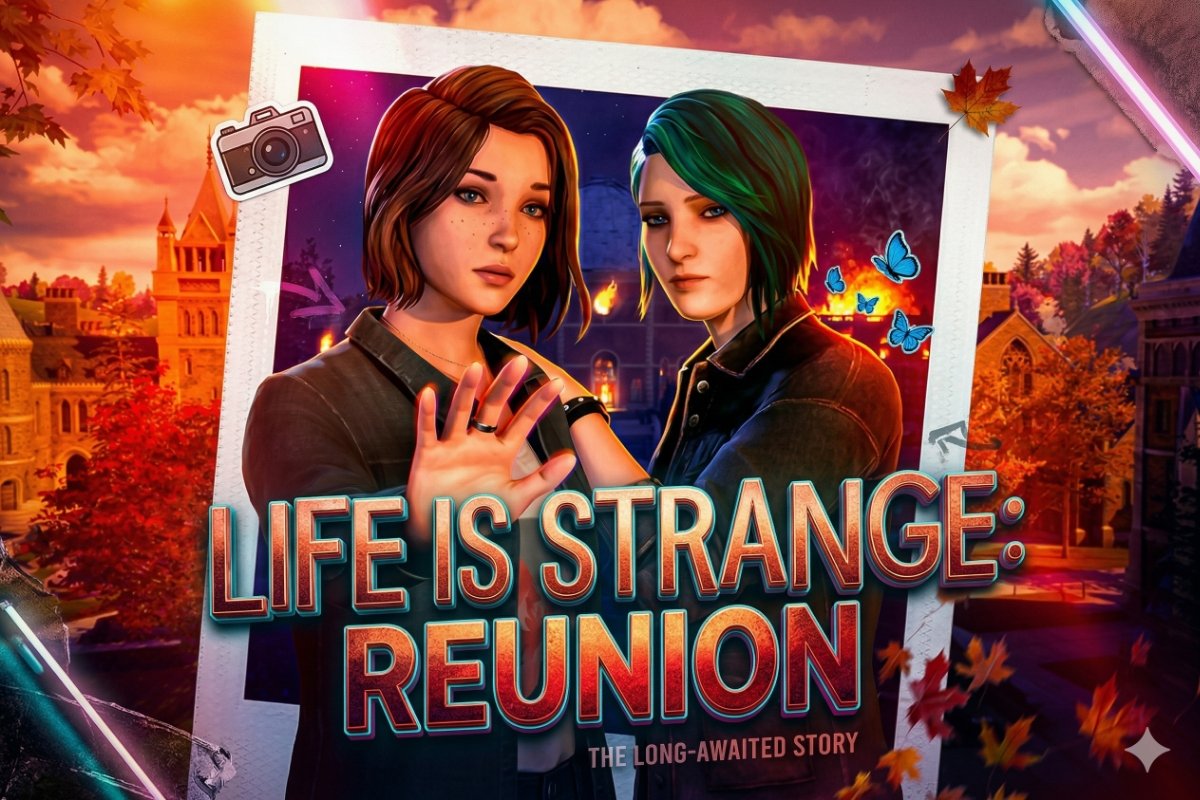
Life Is Strange: Reunion Game Overview – A Personal Deep Dive Into the Emotional Finale
➞ As someone who has followed the Life Is Strange game series for years, I had high expectations going into Life Is Strange: Reunion. This franchise has always been about emotions, choices, and consequences rather than fast-paced action. And honestly, that’s exactly why I love it.
When I started exploring Life Is Strange: Reunion, it didn’t feel like just another sequel. It felt like coming back to something unfinished. Something personal.
This time, the story pulls me into a much darker situation. There’s a destructive inferno coming. Time is running out. And once again, I’m standing in the middle of it all as Max Caulfield.
What makes this entry different is how everything feels more intense. The stakes are higher. The emotions hit harder. And every choice I make feels heavier than before.
Life Is Strange: Reunion Overview – A Return That Feels Personal
➞ From the moment I started the game, I could feel that Life Is Strange: Reunion is not trying to reinvent the formula. Instead, it builds on everything that made the Life Is Strange game series special.
The story takes place at Caledon University. On the surface, it looks like a normal setting. But very quickly, I realize something is wrong. There’s a sense of urgency everywhere. Something bad is about to happen.
And then comes the central hook. In just a few days, a massive fire will destroy everything.
What makes it even more interesting is that this game is positioned as the final chapter of Max’s and Chloe’s journey. As a player, that instantly made me more invested. I wasn’t just playing a story. I was experiencing a conclusion.
Story & Narrative – A Reality That Doesn’t Feel Stable
➞ The story in Life Is Strange: Reunion is easily one of its strongest aspects. As I played, I constantly felt like I was questioning what is real and what isn’t.
Max still has her rewind ability, but it’s not as simple as before. There are limits now. I can’t just fix everything. And that creates tension.
At the same time, Chloe returns. But she’s not the same. She carries memories that don’t fully make sense. Some of them feel like they belong to a different reality.
This is where the narrative gets really interesting. The game introduces the idea of conflicting timelines. Events that happened… and didn’t happen at the same time.
While playing, I found myself thinking about past decisions from earlier Life Is Strange game titles. The story doesn’t ignore them. Instead, it builds on them.
Emotionally, this game goes deep. It deals with guilt, loss, identity, and the weight of choices. There were moments where I wasn’t even focused on gameplay. I was just listening, thinking, and absorbing everything.
Dual Protagonists – Two Perspectives, One Story
➞ One of the biggest changes in Life Is Strange: Reunion is that I get to play as both Max and Chloe. This completely changes how the game feels.
When I play as Max, everything slows down. I think carefully. I analyze situations. Her rewind power allows me to correct mistakes, but only within a short window. That limitation forces me to be more thoughtful.
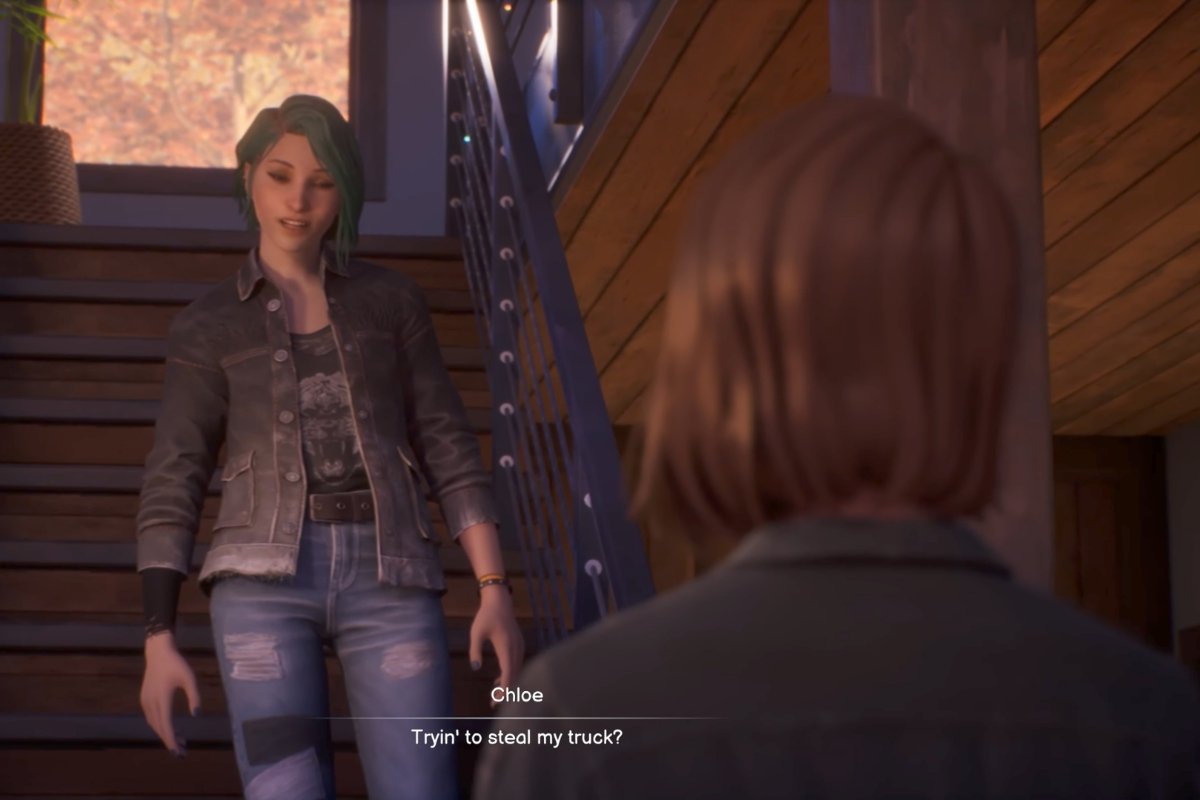
Playing as Chloe feels very different. She doesn’t rely on time manipulation. Instead, she uses her personality. Her “Backtalk” ability lets me push conversations in aggressive or clever directions.
This contrast creates a nice balance. With Max, I feel strategic. With Chloe, I feel bold.
Switching between them keeps the experience fresh. It also makes the story feel more complete because I’m seeing events from both perspectives.
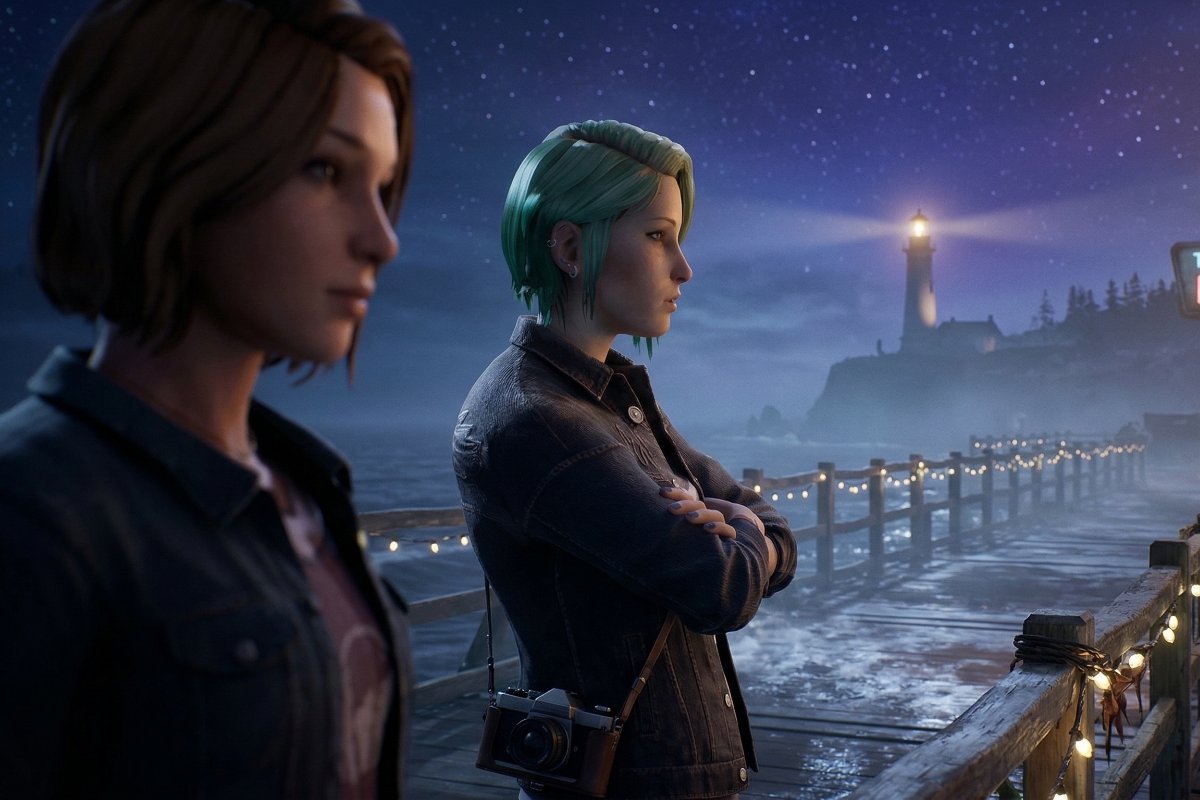
Choices That Actually Matter
➞ If you’ve played any Life Is Strange game, you already know that choices are everything. And in Life Is Strange: Reunion, that system feels even more refined.
What I really appreciate is how the game respects past decisions. My earlier choices don’t just disappear. They influence how characters behave and how conversations unfold.
There were moments where I could feel the weight of something I decided in a previous game. That kind of continuity is rare, and it makes the experience feel more personal.
Even within this game, small choices can lead to noticeable differences. Dialogue changes. Relationships shift. Outcomes feel earned.
Because of that, I often paused before making decisions. Not because the game forced me to, but because I genuinely cared about the consequences.
World & Atmosphere – Constant Pressure in Every Scene
➞ The setting of Caledon University plays a huge role in shaping the experience. As I explored, I could feel the tension building.
Everything points toward the upcoming disaster. The fire isn’t just a plot device. It’s a constant presence.
Even during quiet moments, I felt uneasy. Like something could go wrong at any time.
The environment supports this feeling. There are subtle details everywhere. Small clues. Locked areas. Spaces that feel like they’re hiding something.
This kind of design makes exploration rewarding. I wasn’t just moving from one objective to another. I was paying attention to everything.
Visuals & Sound – A Strong Cinematic Experience
➞ Visually, Life Is Strange Reunion looks better than previous entries. The lighting, especially during fire-related scenes, stands out the most.
Character expressions also feel more natural. That’s important in a game where emotions play such a big role.
The soundtrack is another highlight. Like every Life Is Strange game, music is used to enhance the mood rather than just fill the silence.
There were moments where the combination of visuals and music created a powerful atmosphere. Moments where I just stopped and let the scene play out.
That kind of immersion is hard to achieve, but this game manages it well.
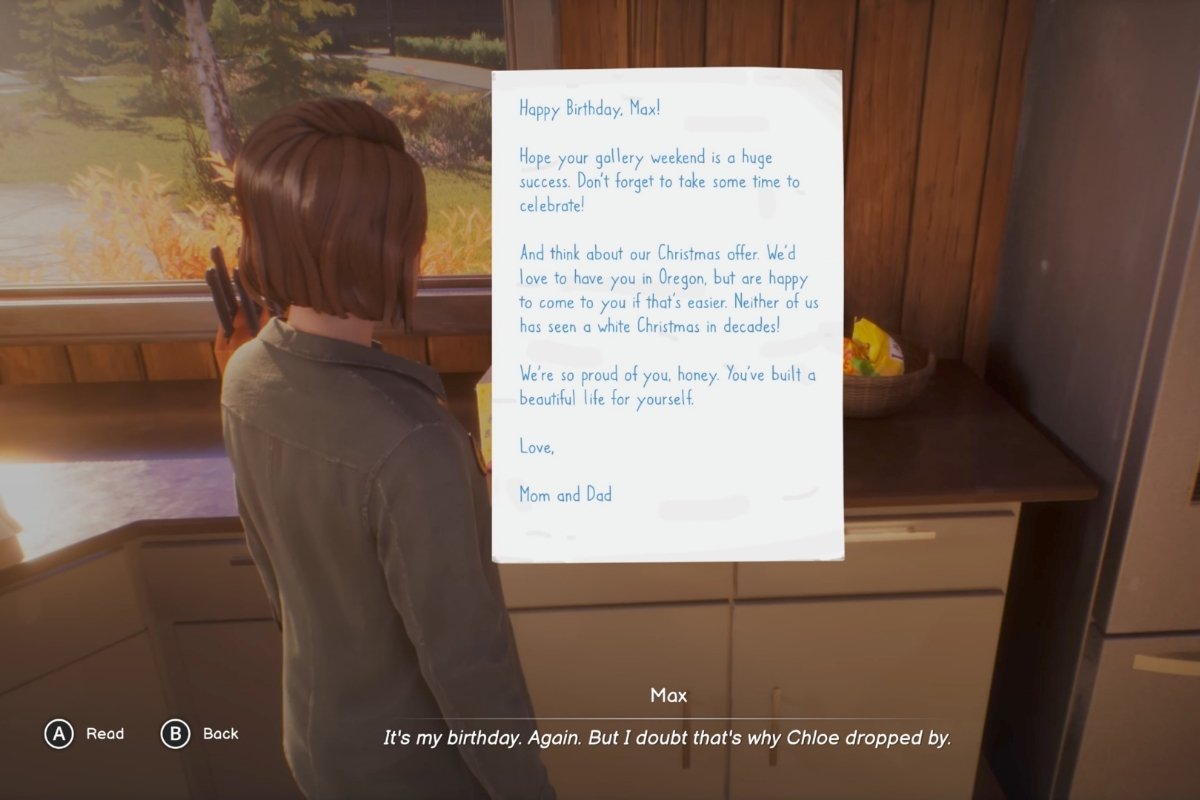
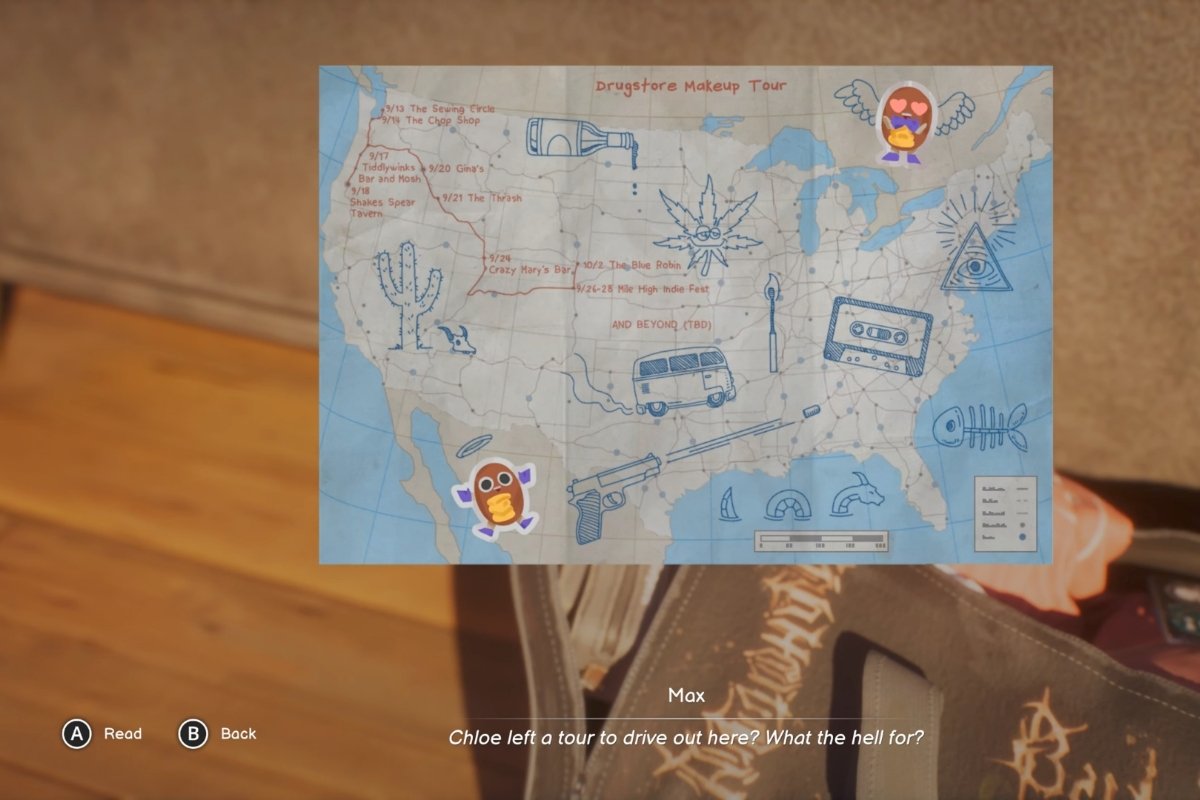
Gameplay Screenshots :-
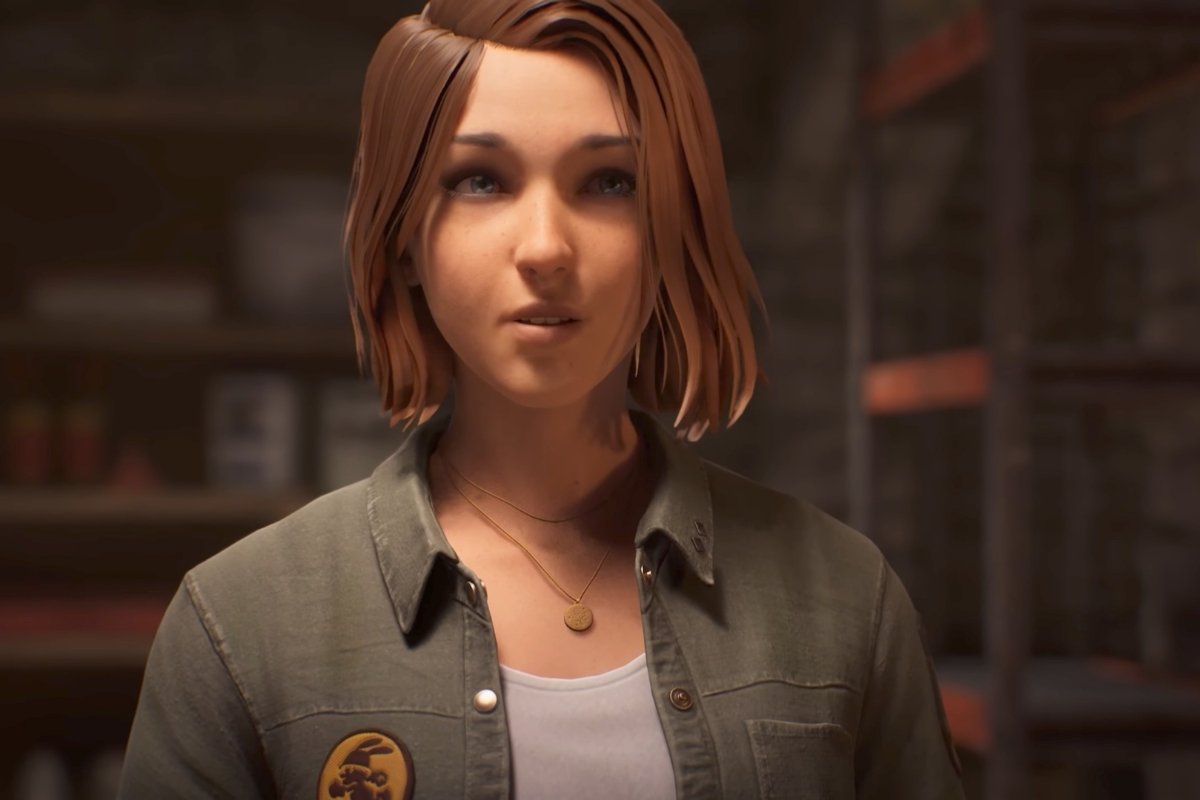
Performance & Technical Experience
➞ From what I’ve seen, Life Is Strange: Reunion runs smoothly on modern systems. It does require decent hardware, though.
If you’re playing on PC, having a solid GPU and enough RAM will definitely improve your experience. An SSD also makes a noticeable difference in loading times.
Overall, the game feels optimized for current-generation hardware. I didn’t notice any major issues during my time with it.
Is Life Is Strange: Reunion Worth Playing? My Honest Opinion
➞ After spending time with Life Is Strange: Reunion, I can say that it stays true to what makes the Life Is Strange game series special.
It doesn’t try to become something else. It focuses on storytelling, characters, and emotional depth.
That also means it won’t appeal to everyone. If you’re looking for fast action or intense gameplay mechanics, this might not be for you.
But if you enjoy narrative-driven experiences, this game delivers exactly what you expect—and more.
For me, the biggest strength of Life Is Strange: Reunion is how personal it feels. It’s not just about saving a place from destruction. It’s about understanding the people involved and the choices that define them.
➣ What Every Gamer Is Reading Right Now
Crimson Desert Hidden Tips & Tricks – Secrets to Dominate
Hearthstone Arena Tier List 2026 – Best Classes & Pro Draft Guide
Conclusion
➞ After going through everything, I genuinely feel that Life Is Strange: True Colors is a meaningful addition to the Life Is Strange game series.
It doesn’t just continue the story. It builds on it in a way that feels thoughtful and emotional.
For me, this game is less about gameplay and more about the journey. The characters. The choices. The moments that stay with you even after you stop playing.
And honestly, that’s what makes it special.
Frequently Asked Questions (FAQ)
1. What is Life Is Strange: Reunion about?
➞ From my experience, it focuses on Max and Chloe dealing with a coming disaster while uncovering a deeper mystery involving timelines and memories.
2. Is Life Is Strange: Reunion part of the main series?
➞ Yes, it continues the story of the Life Is Strange game universe and connects directly to previous entries.
3. Can I play it without playing earlier games?
➞ You can, but I personally feel you’ll miss a lot of emotional context if you skip the earlier titles.
4. Does the game have multiple endings?
➞ Based on how the choices work, it’s clear that different decisions will lead to different outcomes.
5. What makes this game different from other Life Is Strange games?
➞ For me, the dual protagonist system and the focus on conflicting realities make it stand out.
6. How long is the game?
➞ From what I’ve seen, it should take around 10 to 15 hours depending on how you play.
7. Is Life Is Strange: Reunion worth buying?
➞ If you enjoy story-driven games, I would definitely recommend it.
8. What platforms is it available on?
➞ It’s available on PlayStation 5, Xbox Series X/S, and PC.

I’m Parth Patel, also known as iGPSYCHO, the founder of Immortal Gamers and a dedicated gaming content creator with a deep interest in gaming culture, strategy analysis, and eSports.