
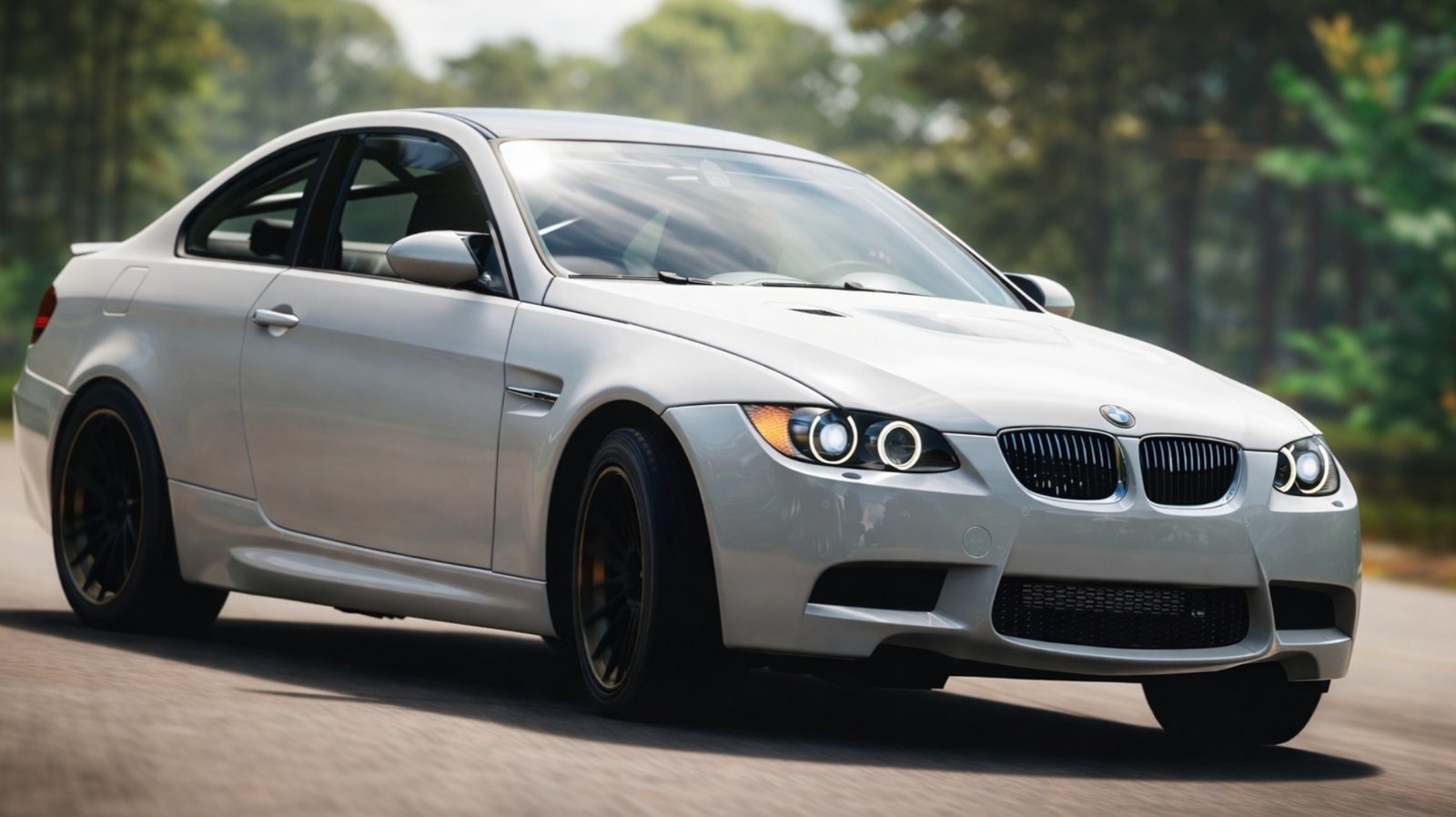
Forza Horizon 6 Performance Guide: 2008 BMW M3 E92 Handling vs. Off-Road Analysis
➞ I’ve spent years driving the 2008 BMW M3 E92 across different Forza titles, and honestly, it was always one of those “safe picks.” You know the type — predictable, smooth, and ridiculously satisfying on clean tarmac.
So when I jumped into Forza Horizon 6, I expected more of the same.
But within my first hour driving through Tokyo and then heading into the mountain roads, something felt off. The car wasn’t as sharp. It didn’t bite into corners the way I remembered. At first, I thought it was just me. It wasn’t.
After spending several sessions testing builds, running time attacks, and experimenting across different terrains, I realized something important:
This is not the same M3 anymore.
And if you treat it like the old one, you’re going to struggle.
In this guide, I’m breaking down exactly what changed, how it affects performance, and how I personally adapted my tuning and driving to get the most out of it.
Why the 2008 BMW M3 Feels Completely Different in Forza Horizon 6
➞ The biggest shift comes from the way the car behaves under pressure — especially in corners.
In previous games, I could rely on:
- Tight cornering grip
- Predictable handling
- Easy throttle control
Now? It feels more alive… but also less forgiving.
What I noticed right away:
- The front end doesn’t turn in as aggressively
- Mid-corner understeer happens more often
- High-speed stability depends heavily on setup
At the same time, something unexpected happened when I took it off smooth roads. The car didn’t fall apart.
In fact, it felt more stable than I expected on rough terrain. That’s when it clicked: the game has shifted the balance. It’s no longer a pure road car. It’s designed to handle a wider range of environments.
And that changes everything.
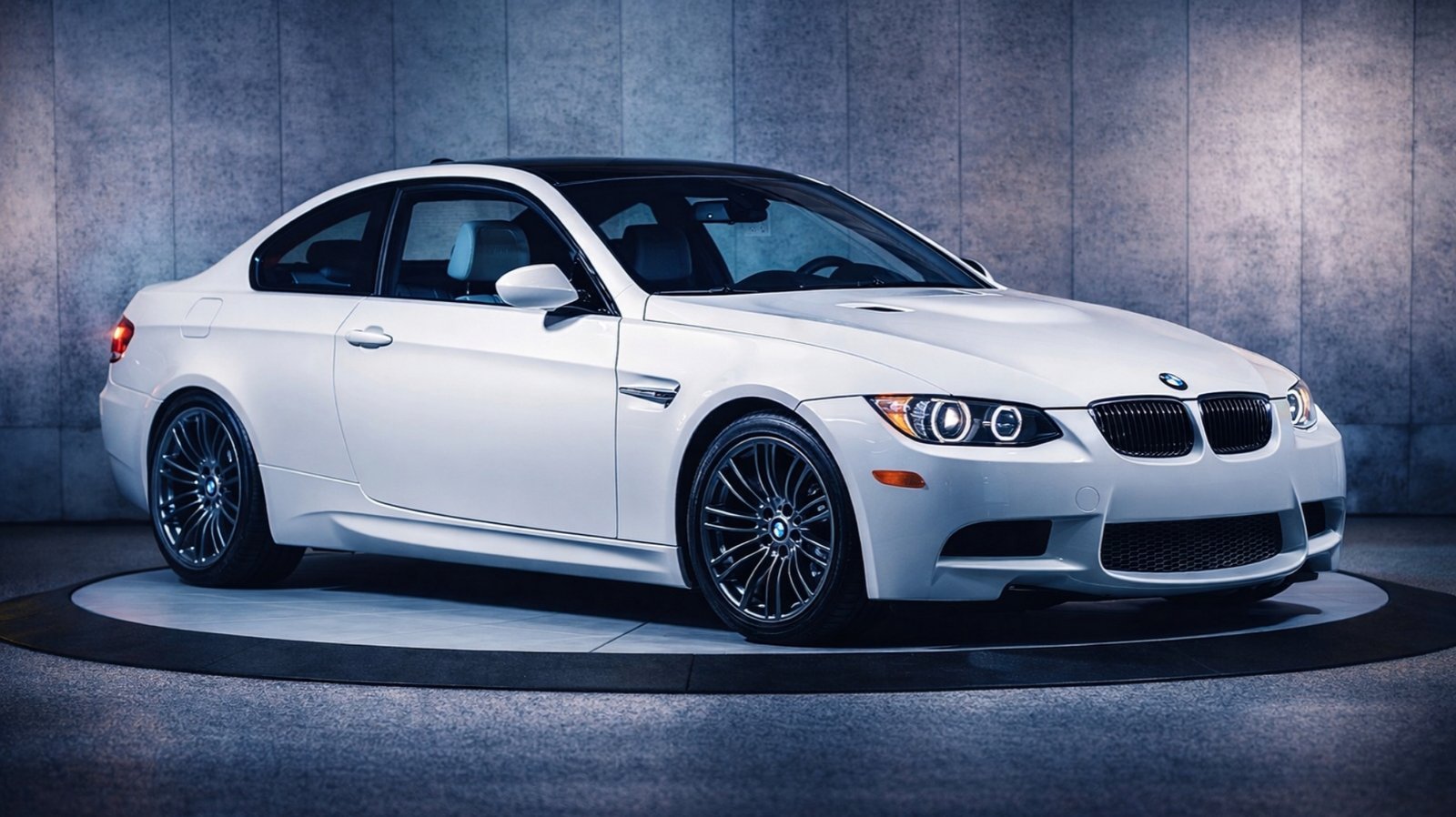
Handling vs. Off-Road: The Balance You Need to Understand
➞ This is the part most players overlook.
At first, I kept trying to “fix” the handling completely. I pushed for maximum grip, stiff suspension, and aggressive aero setups.
And yeah, it worked… but only in very specific situations.
Then I tried something different. Instead of forcing it to behave like a track car, I leaned into its new strengths.
When I Focus on Handling
For clean racing environments like circuits or smooth highways, I still go for grip-focused setups:
- Better tires
- Slight aero adjustments
- Tighter suspension
But even then, I drive more carefully than I used to. The car rewards smooth inputs now, not aggressive corrections.
When I Let It Stay Versatile
On mountain roads and mixed surfaces, I stopped over-tuning.
I kept:
- Slightly softer suspension
- Balanced upgrades
- Minimal aero drag
And the result? The car felt more natural. More stable. Less stressful to drive.
That’s when I realized:
The M3 in Forza Horizon 6 performs best when you don’t force it into one role.
My A-Class Upgrade Strategy (What Actually Worked for Me)
➞ The stock PI sits at 608, which gives you room to build but that doesn’t mean you should throw everything at it.
I made that mistake early on.
Here’s what I learned after multiple builds:
Start With Grip, Not Power
I always upgrade tires and suspension first. Without that, the car just doesn’t feel stable enough.
Use Aero Smartly
I add a rear wing almost every time, but I don’t max it out. Too much downforce slows you down, especially in A-Class.
Keep the Car Balanced
Instead of going all-in on weight reduction or power, I focus on maintaining balance. The M3 punishes extreme builds more than before.
Avoid Jumping Into S1 Too Early
This is important. A well-tuned A-Class M3 feels better to drive and performs more consistently than a rushed S1 build.
The Small Changes That Made a Huge Difference
➞ This is where Forza Horizon 6 surprised me the most.
Independent Wheel Setup
At first, I thought this was just a cosmetic feature.
It’s not.
I started running:
- Lighter wheels in the front
- Slightly heavier setup in the rear
The difference was subtle but noticeable:
- Better turn-in
- More stable exits
It felt like the car finally responded the way I wanted.
Anti-Lag System
Once I tested a turbo setup with anti-lag, I didn’t go back.
The biggest change I felt was on corner exits. Instead of waiting for power, it was just… there.
In tight Tokyo streets, this made a huge difference. It helped me maintain momentum without overcompensating.
➣ What Every Gamer Is Reading Right Now
How to Optimize Xbox Series X for Low Latency Gaming
LoL Doom Bots Tier List – Top Champions to Dominate Easily
Engine Swap Choices: What I Actually Prefer
➞ I tested all the main options, and each one changes the personality of the car.
Stock V8
Still solid. I use this when I want a reliable, balanced build.
V10 Swap
It’s powerful, no doubt. But honestly, it feels a bit too wild for tight tracks unless you’re very comfortable controlling it.
3.0L Twin Turbo (My Go-To)
This is the one I keep coming back to.
With anti-lag, it feels responsive, smooth, and easier to control compared to the V10. For me, it hits the perfect balance.
How the M3 Performs Across the Japan Map
➞ After testing across different regions, I started to notice clear patterns.
Tokyo City
This is where I had to adjust my driving the most.
- Too much throttle = instant wheelspin
- Wet roads make it even trickier.
I slowed down my inputs and focused on smooth exits, and that made a big difference.
Mountain Roads (Minamino & Ohtani)
This is where the car feels the most balanced.
- Stable at speed
- Handles elevation changes well
But you still need to watch for understeer, especially in long corners.
Hokubu Circuit
For time attack, the M3 is surprisingly strong.
It’s not about raw speed here; it’s about consistency. Once I got comfortable with the car, my lap times became much more reliable.
My Personal Opinion After Testing Everything
➞ At first, I didn’t enjoy the changes. It felt like the car had lost what made it special.
But after spending more time with it, I changed my mind.
The M3 now requires:
- More thought
- More control
- More adaptation
And that actually makes it more rewarding.
It’s not a “pick and win” car anymore, and honestly, I think that’s a good thing.
The 2008 BMW M3 E92 in Forza Horizon 6 is not just a returning car; it’s a reworked experience.

I’m Parth Patel, also known as iGPSYCHO, the founder of Immortal Gamers and a dedicated gaming content creator with a deep interest in gaming culture, strategy analysis, and eSports.